




HOW TO CHOOSE THE RIGHT WETSUIT FOR YOUR DIVE CONDITIONS
Choosing the right wetsuit can completely change your diving experience.
The proper fit, thickness, and construction impact everything from comfort and warmth to mobility and buoyancy. Whether you are a recreational diver exploring tropical reefs or preparing for colder technical dives, understanding your environment is essential.
1. Consider Water Temperature
Your wetsuit thickness should always reflect the water conditions you are diving in.
- 2mm suits are ideal for warm tropical waters and travel dives.
- 3–5mm suits provide balanced warmth and flexibility for moderate conditions.
- 6/4mm semi-dry suits are designed for colder environments where heat retention becomes critical.
Even in warm water, prolonged exposure can reduce body temperature over time, especially during multiple dives.
2. Fit Matters More Than You Think
A poorly fitted wetsuit allows excess water circulation — commonly called flushing — which reduces warmth and creates unnecessary drag.
A properly tailored wetsuit should:
- fit closely without restricting breathing
- minimize loose material
- allow full range of movement
- remain comfortable during long dives
This is why custom-tailored wetsuits have become increasingly important for divers who struggle with traditional sizing.
3. Think About Your Diving Style
Different diving styles require different functionality.
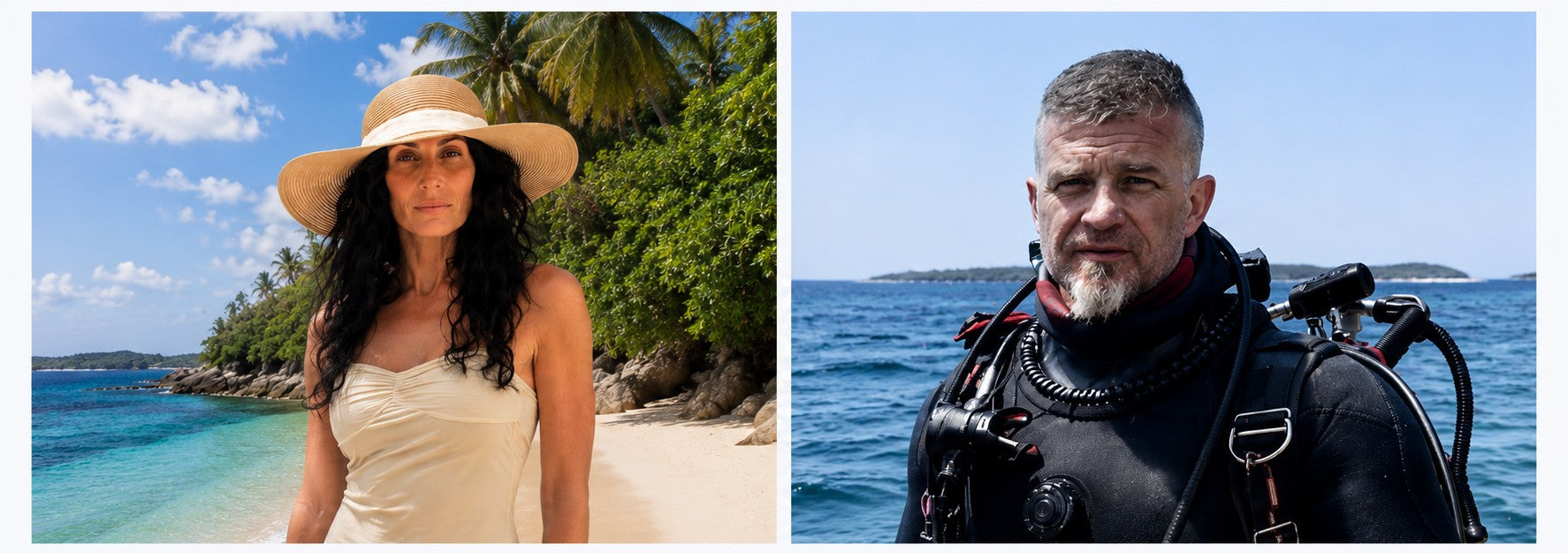
Recreational divers often prioritize flexibility and comfort for travel and reef exploration, while technical divers may require:
- reinforced seams
- integrated pockets
- additional thermal protection
- enhanced durability
The right suit should support the way you actually dive.
4. Invest In Quality Materials
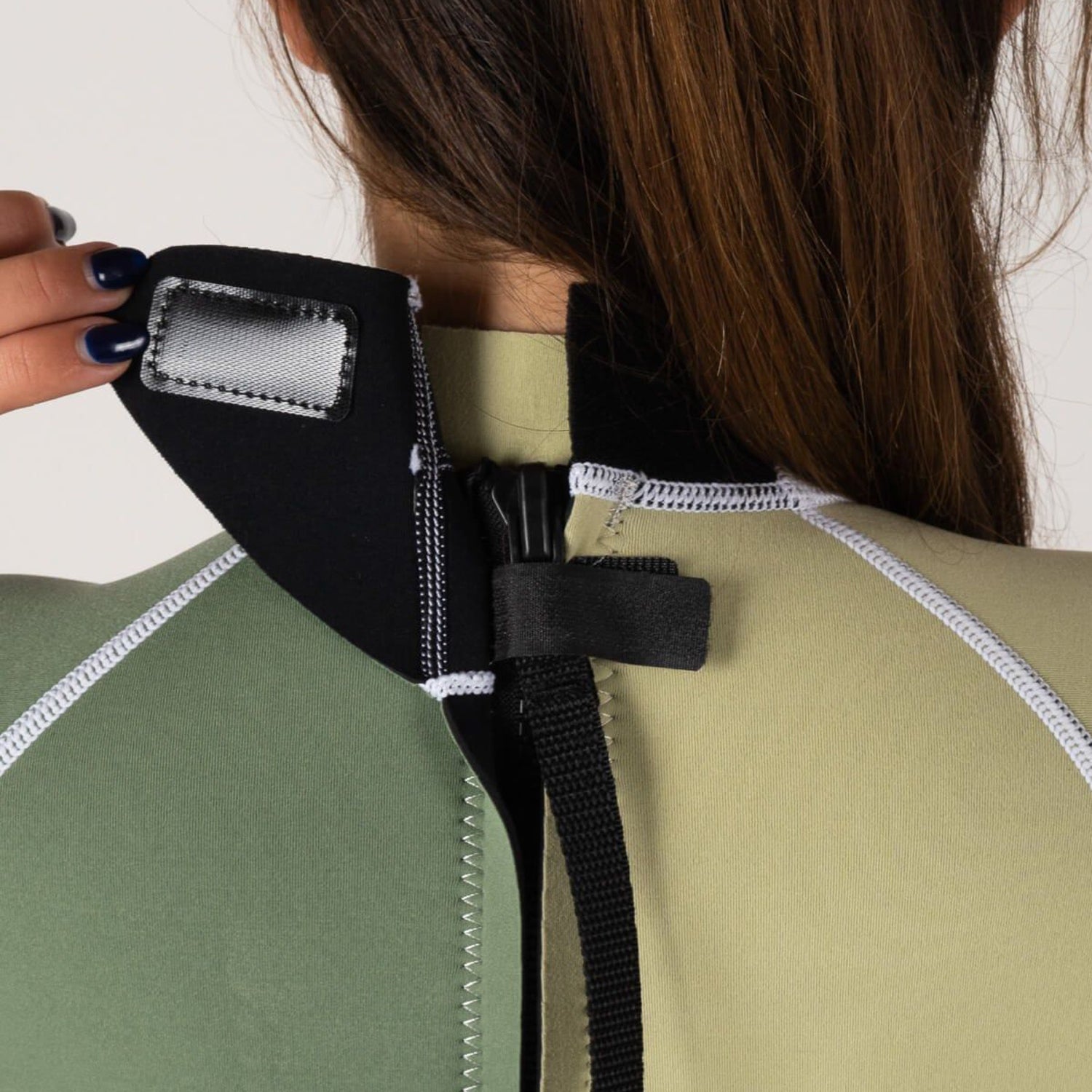
Premium neoprene, proper sealing, and durable stitching significantly improve long-term performance.
At Drexel, we prioritize Yamamoto neoprene and carefully selected materials designed for flexibility, durability, and comfort beneath the surface.
Because the best gear should disappear once you enter the water — allowing you to focus entirely on the experience ahead.